
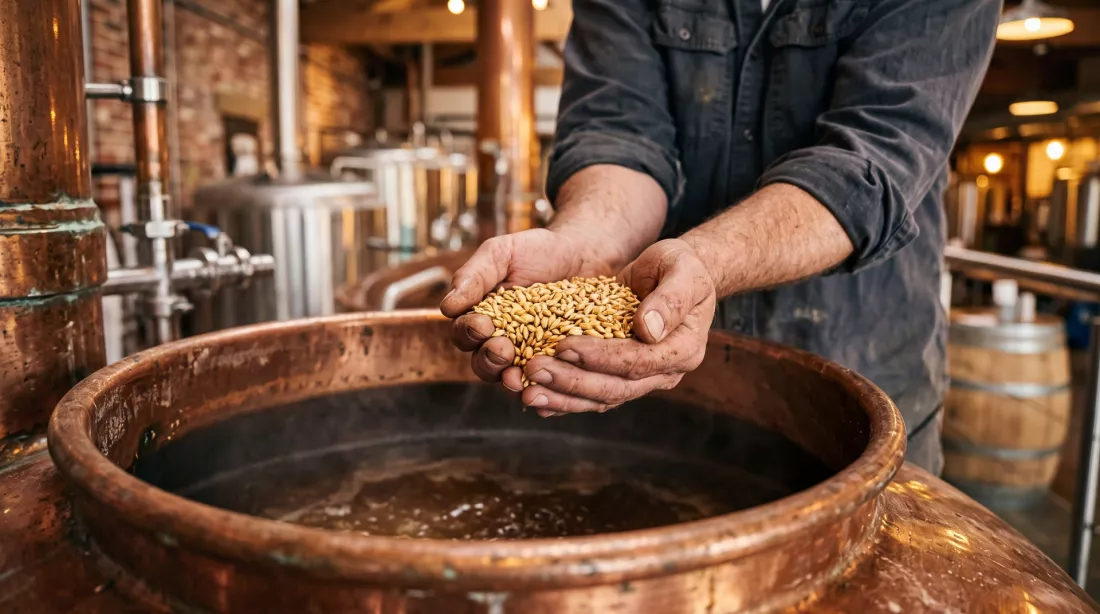
Every brewery produces it by the tonne: the wet, heavy mass of spent malt left in the mash tun once the sugars have been washed out. Usually it ends up as animal feed, or simply as waste. An EU-funded project has just finished asking whether that mass could become a plastic instead — and whether the bottles and trays made from it could later be sorted out and broken back into their building blocks. The answer says a lot about what the word “bio” on a label is actually worth — and at the end you can check how far your own thinking about waste really reaches.
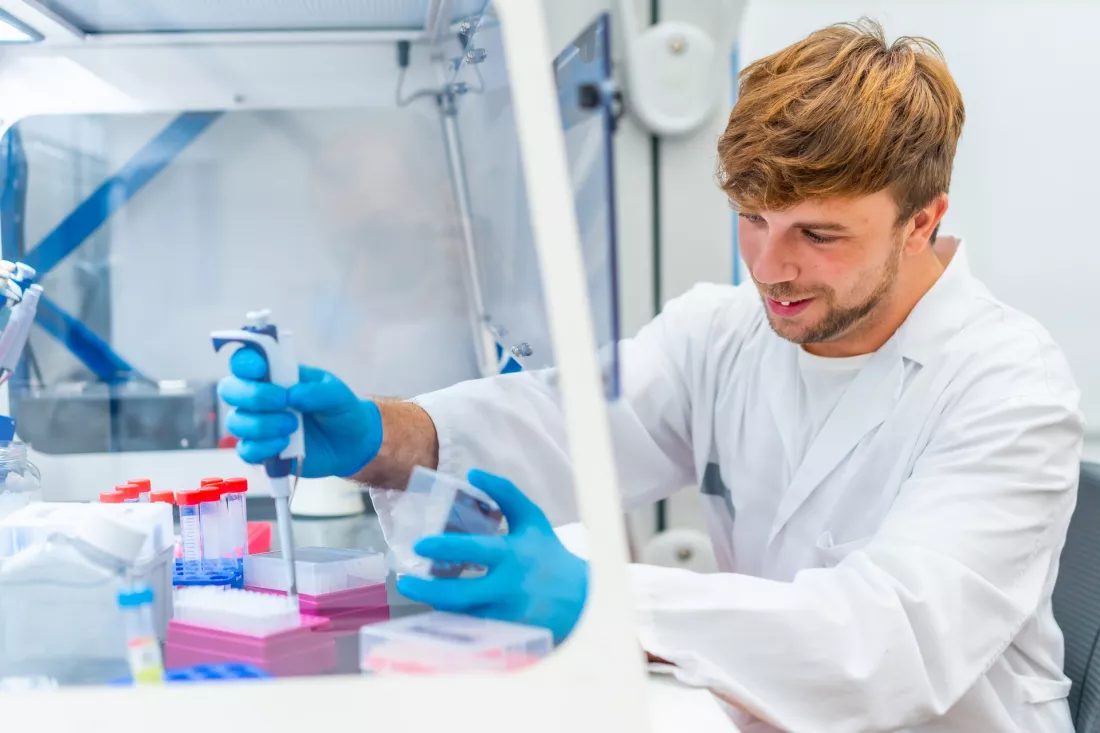
Ogni mattina nelle cucine degli studentati finiscono nella spazzatura chili di fondi di caffè. In un laboratorio di Lione quegli stessi scarti sono diventati la materia prima di nanoparticelle di carbonio larghe meno di venti nanometri, capaci di mostrare un tumore su un'immagine e di colpirlo nello stesso momento. Il progetto europeo UNAT ha cancellato il confine fra diagnosi e terapia partendo da un rifiuto — e alla fine puoi scoprire se ragioni come chi cerca una seconda vita per le cose.
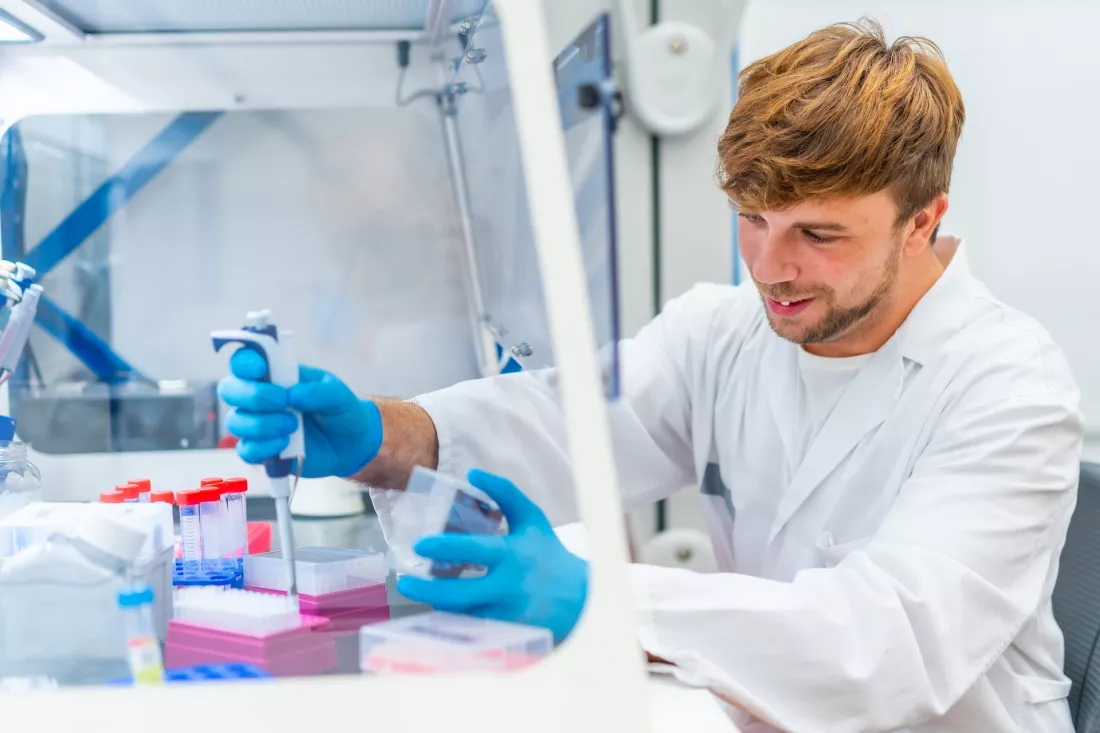
Des déchets de café et des coques d’arachide qui finissent en noyaux de carbone plus petits que vingt nanomètres : le point de départ du projet européen UNAT ressemble plus à une poubelle de cuisine qu’à un laboratoire d’oncologie. Injectées dans un organisme, ces particules minuscules font pourtant deux choses à la fois, montrer la tumeur à l’imagerie et freiner sa croissance, effaçant la frontière entre diagnostiquer et soigner — et, à la fin, tu peux voir si tu penses déjà comme quelqu’un qui cherche une seconde vie aux choses.
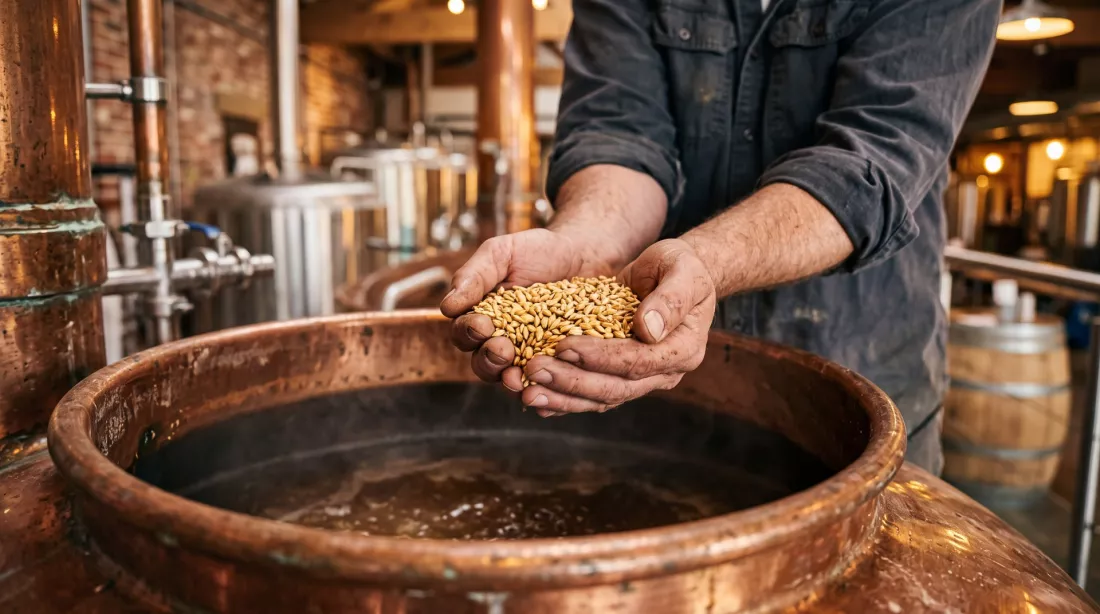
Po każdym warzeniu piwa zostaje w kadzi mokra masa zużytego słodu — największy odpad browaru, który zwykle trafia na paszę albo na wysypisko. W projekcie BioSupPack, finansowanym z programu Horyzont 2020 i koordynowanym przez hiszpańskie centrum AIMPLAS, potraktowano go inaczej: jako surowiec na tworzywo, z którego da się zrobić butelkę, tackę i barowy ekspozytor. To historia o tym, ile pracy inżynierskiej stoi za przedrostkiem „bio” na etykiecie — a na końcu możesz sprawdzić, jak daleko sięga Twoje myślenie o odpadach.
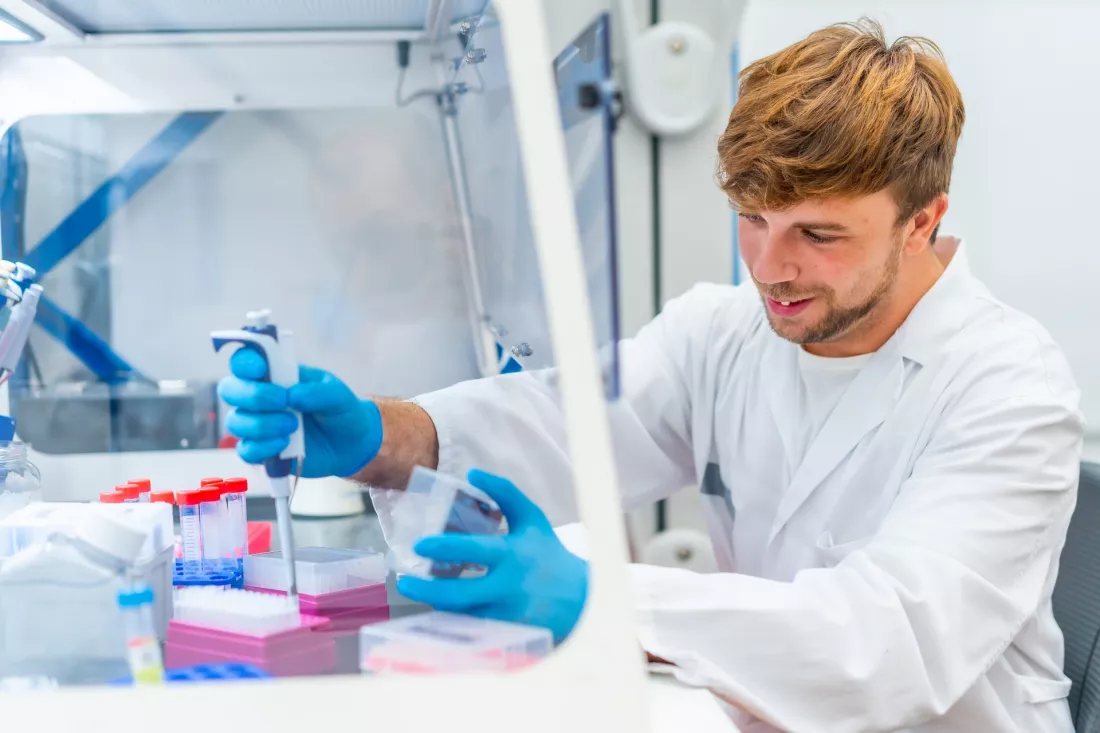
Cada mañana millones de cafeteras acaban en la basura con un residuo oscuro que nadie mira dos veces. En un laboratorio de Lyon ese mismo material, junto a las cáscaras de cacahuete, se convierte en el núcleo de partículas de carbono tan diminutas que señalan un tumor en una imagen y lo atacan a la vez. Un proyecto europeo ha borrado así la frontera entre diagnosticar y tratar, y ha demostrado que un desecho puede ser el punto de partida de una investigación seria —y al final puedes comprobar si piensas como alguien que busca una segunda vida para las cosas.
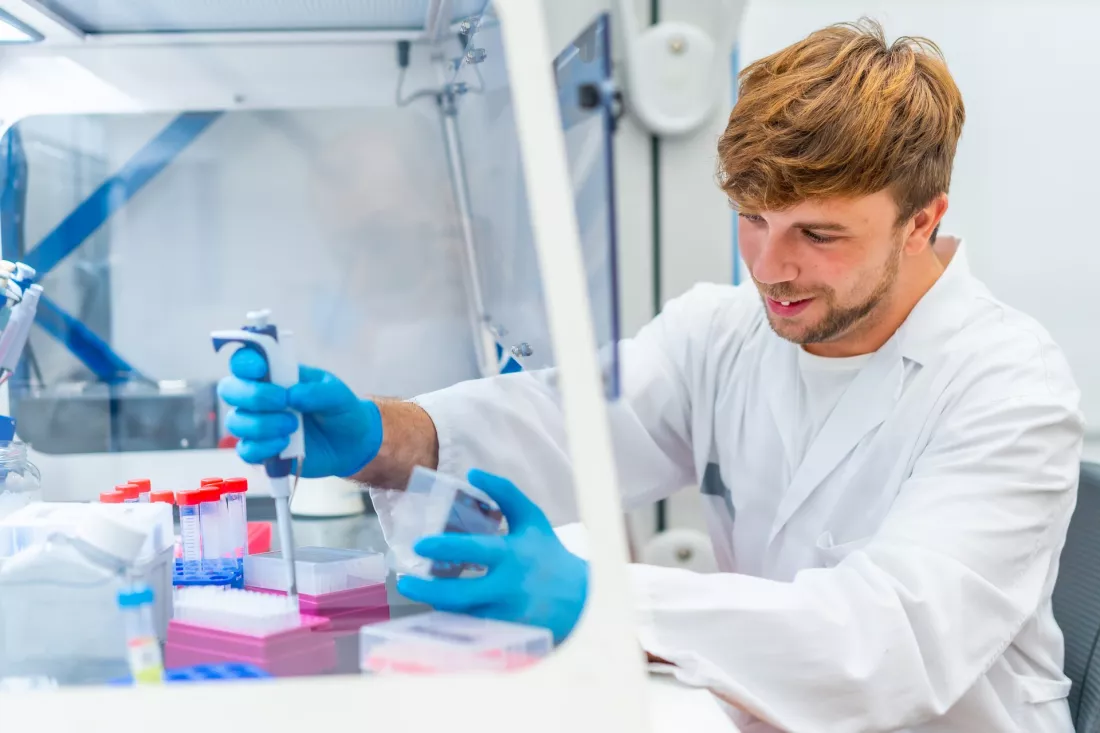
Kubeł fusów w kuchni akademika i łupiny po orzeszkach to dla większości ludzi koniec historii. Dla zespołu projektu UNAT to dopiero początek: z takiej biomasy powstają rdzenie węglowe nanocząstek mniejszych niż dwadzieścia nanometrów, które w jednym podejściu pokazują guz na obrazie i zaczynają go leczyć. Badania na zwierzętach dały 93 i 97 procent zahamowania wzrostu guza, a cała rzecz dzieje się na styku chemii materiałów, biologii i diagnostyki obrazowej — na końcu możesz sprawdzić, czy myślisz jak ktoś, kto szuka drugiego życia dla rzeczy.
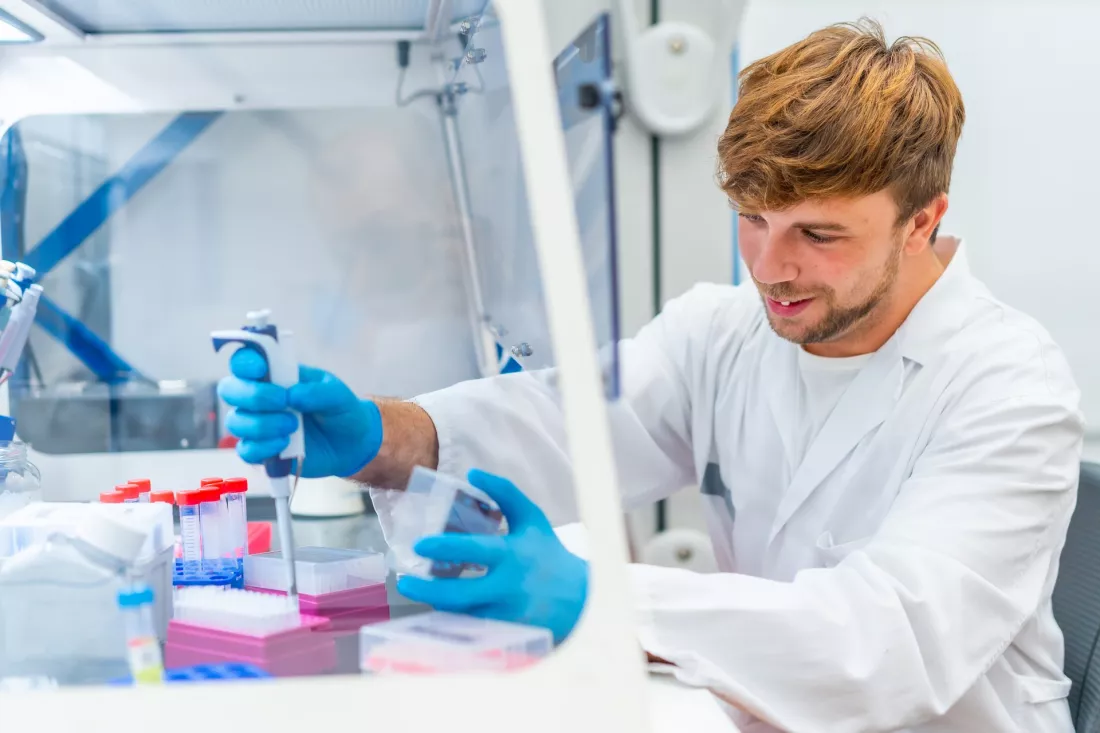
Kaffeesatz aus der WG-Küche und Erdnussschalen vom Vorabend landen normalerweise im Müll. In einem europäischen Forschungsprojekt werden sie zum Ausgangsmaterial für winzige Teilchen, die einen Tumor gleichzeitig sichtbar machen und bekämpfen sollen — und damit die gewohnte Reihenfolge aus erst Diagnose, dann Therapie auflösen. Was dabei entsteht, ist kleiner als zwanzig Nanometer und stammt aus einer Tonne, die sonst niemanden interessiert — und am Ende kannst du prüfen, ob du selbst so denkst wie jemand, der Dingen ein zweites Leben gibt.
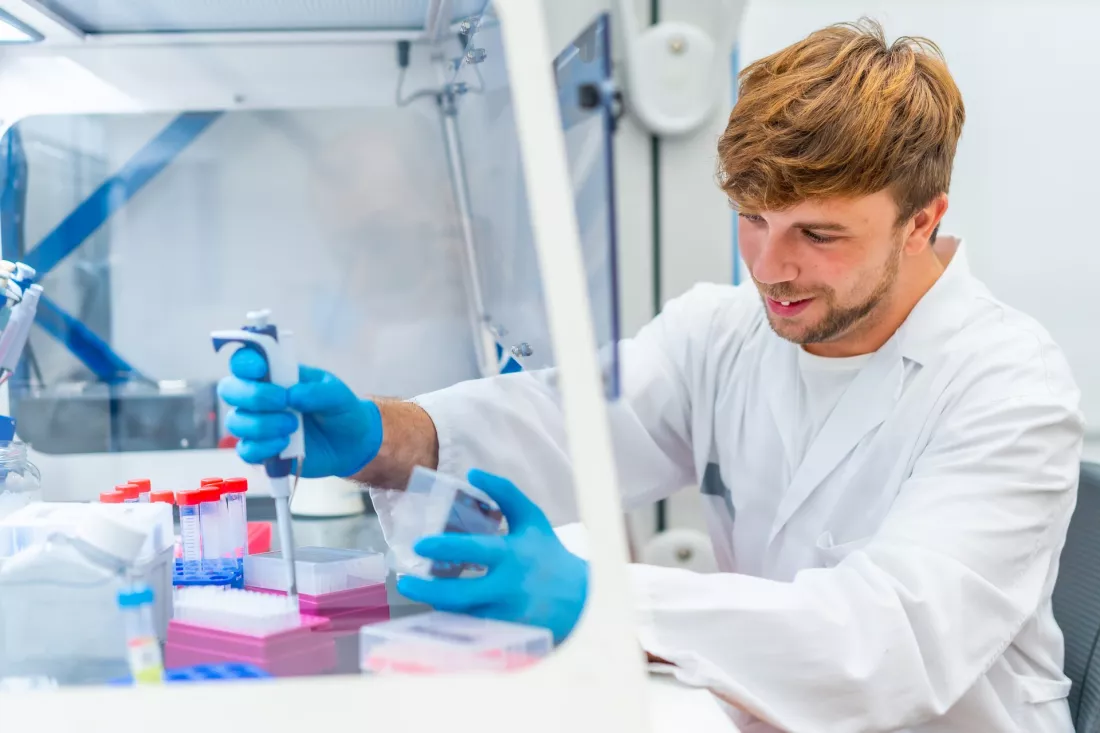
Coffee waste and peanut shells normally end their life in a bin. In a European project coordinated from Lyon they became the raw material for the carbon cores of nanoparticles smaller than twenty nanometres — particles that show a tumour on an image and attack it at the same time. In animal studies the team reports up to 97% inhibition of tumour growth. It is a story about materials chemistry, biology and imaging meeting inside one object — and at the end you can check how you look at things everyone else calls waste.
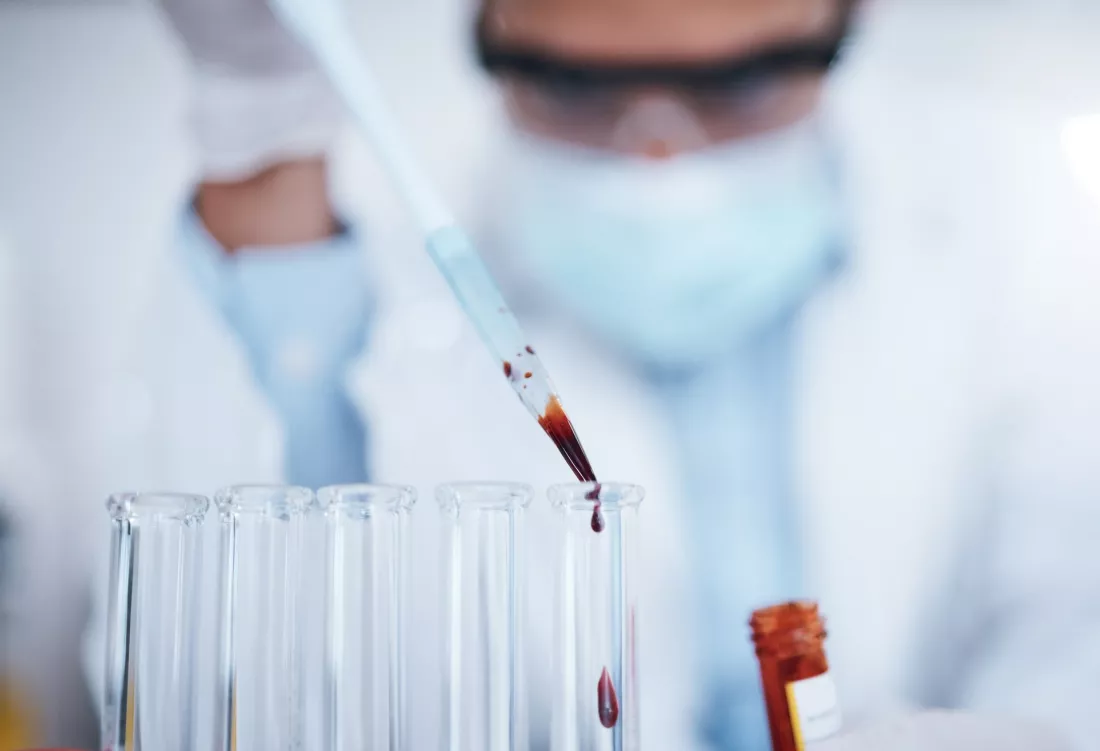
La thérapie CAR-T sait apprendre aux cellules immunitaires du patient à reconnaître sa tumeur, mais chaque dose se fabrique à part, dans un centre spécialisé, pendant plusieurs semaines et pour une somme qui peut atteindre 300 000 euros. Le projet européen NANO-ENGINE a retourné le problème : au lieu d'envoyer les cellules à l'usine, envoyer l'usine dans les cellules, en une seule injection — un renversement de méthode que le test en fin d'article confronte à ta façon d'attaquer un procédé trop long et trop cher.
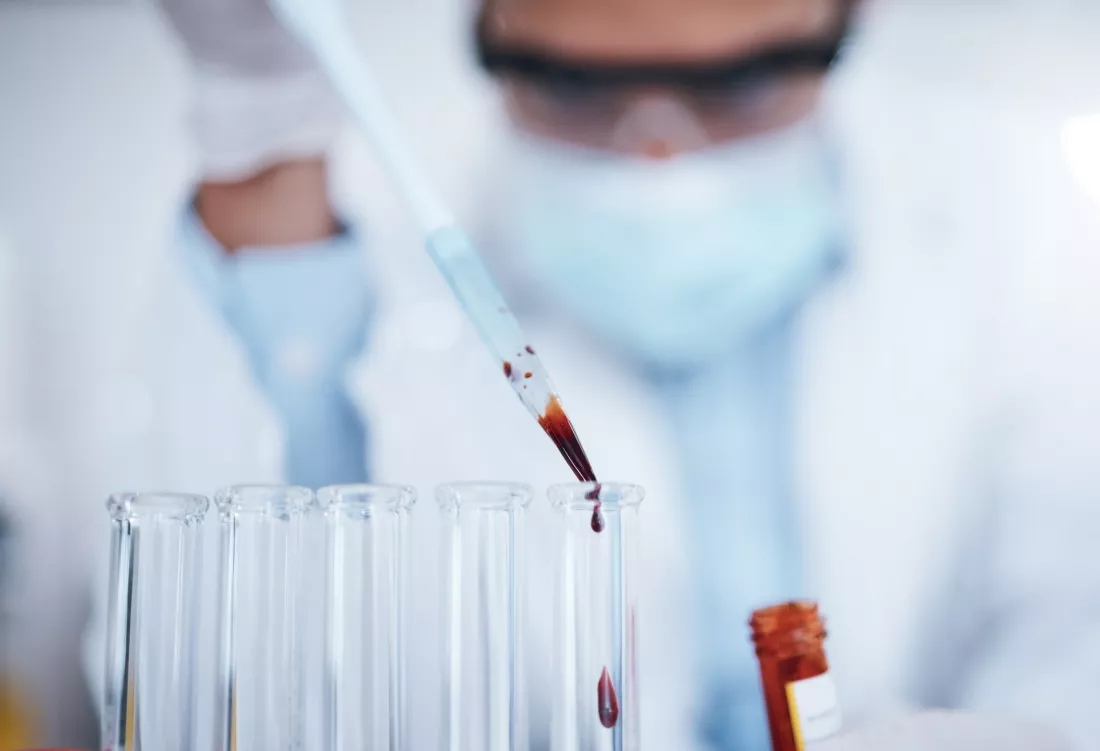
La terapia CAR-T sa insegnare alle difese immunitarie del paziente a riconoscere il tumore, ma oggi ogni dose nasce su misura: settimane di coltura in un centro specializzato e un conto che può arrivare a 300 000 euro. Il progetto europeo NANO-ENGINE ha ribaltato la domanda e ha provato a spedire la fabbrica dentro il corpo, in una singola iniezione — un salto che tocca da vicino chi sta scegliendo tra chimica, biologia molecolare, medicina e ingegneria dei materiali, ed è proprio il terreno delle cinque domande in fondo.
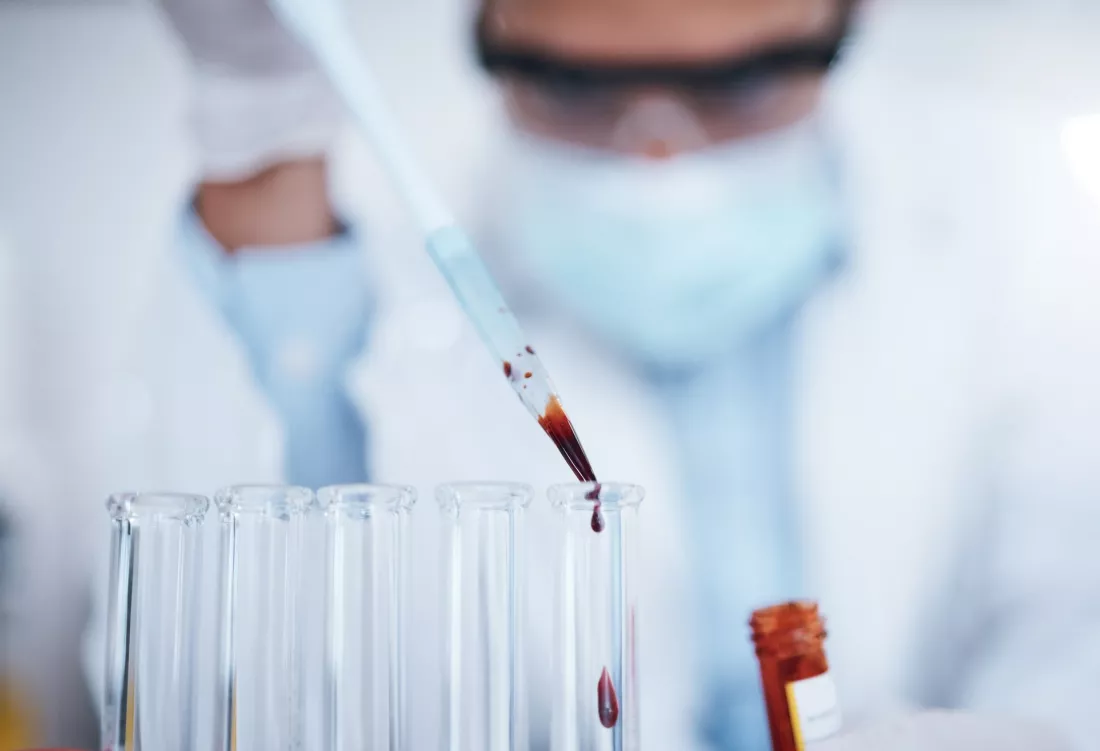
Eine CAR-T-Therapie kann Krebs zurückdrängen, indem sie die eigenen Immunzellen der Erkrankten umprogrammiert – doch jede Dosis entsteht bis heute einzeln, über Wochen, in spezialisierten Einrichtungen und für bis zu 300 000 Euro. Das EU-Projekt NANO-ENGINE hat die Frage umgedreht: Warum nicht die Fabrik zu den Zellen schicken statt die Zellen zur Fabrik? Eine einzige Injektion, ein Nanopartikel, das die Arbeit im Körper erledigt – und dahinter eine Denkweise, die sich prüfen lässt, nämlich Prozesse zu zerlegen statt sie zu beschleunigen.
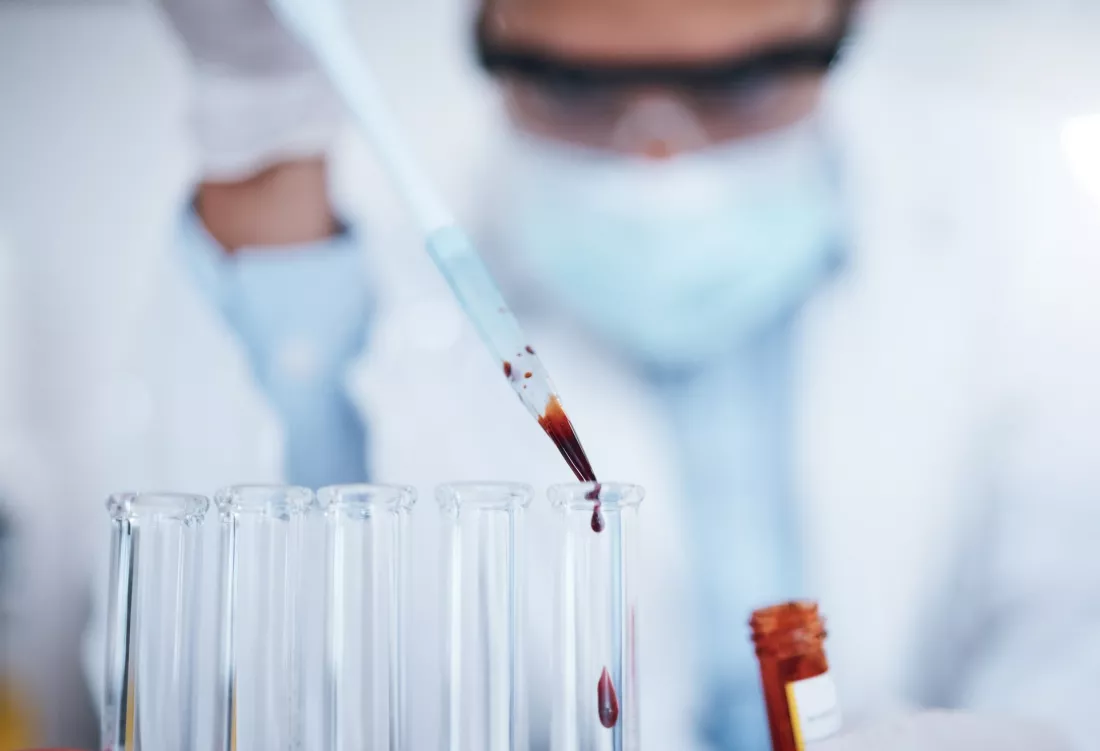
Terapia CAR-T uczy własne komórki odpornościowe pacjenta rozpoznawać nowotwór, ale każdą dawkę trzeba dziś wyprodukować osobno: pobrać limfocyty T, zmodyfikować je wirusami i hodować kilka tygodni w wyspecjalizowanym ośrodku, za sumę sięgającą 300 000 euro. Projekt NANO-ENGINE odwrócił pytanie i zamiast wozić komórki do fabryki, spróbował wysłać fabrykę do komórek — a to sposób myślenia, który da się sprawdzić na sobie: test na końcu pyta, czy szukasz etapu do usunięcia, czy do przyspieszenia.
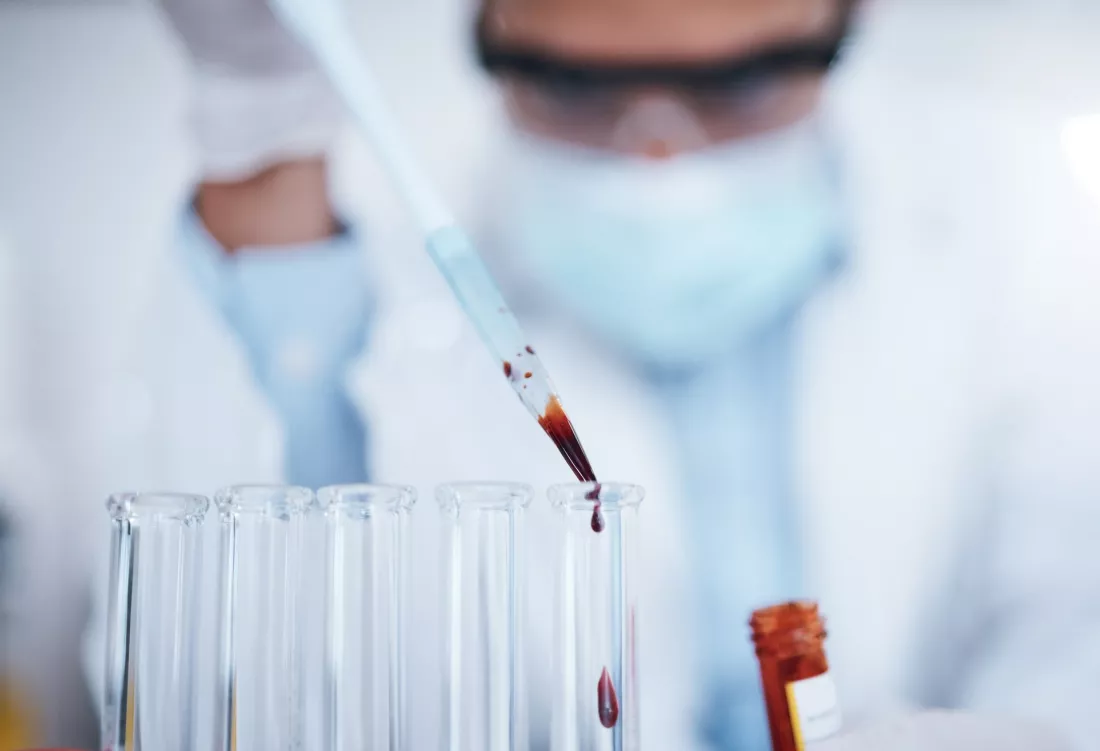
La terapia CAR-T enseña a las defensas del propio paciente a reconocer su tumor, pero hoy cada dosis se fabrica por separado, en un centro especializado, durante varias semanas y por una cifra que puede alcanzar los 300 000 euros. El proyecto europeo NANO-ENGINE le dio la vuelta a la pregunta: en vez de llevar las células a la fábrica, mandar la fábrica a las células, en una sola inyección — y de ahí sale otra cuestión, la de cómo se piensa cuando se elimina una etapa entera en lugar de acelerarla, que es justo lo que plantea el test del final.
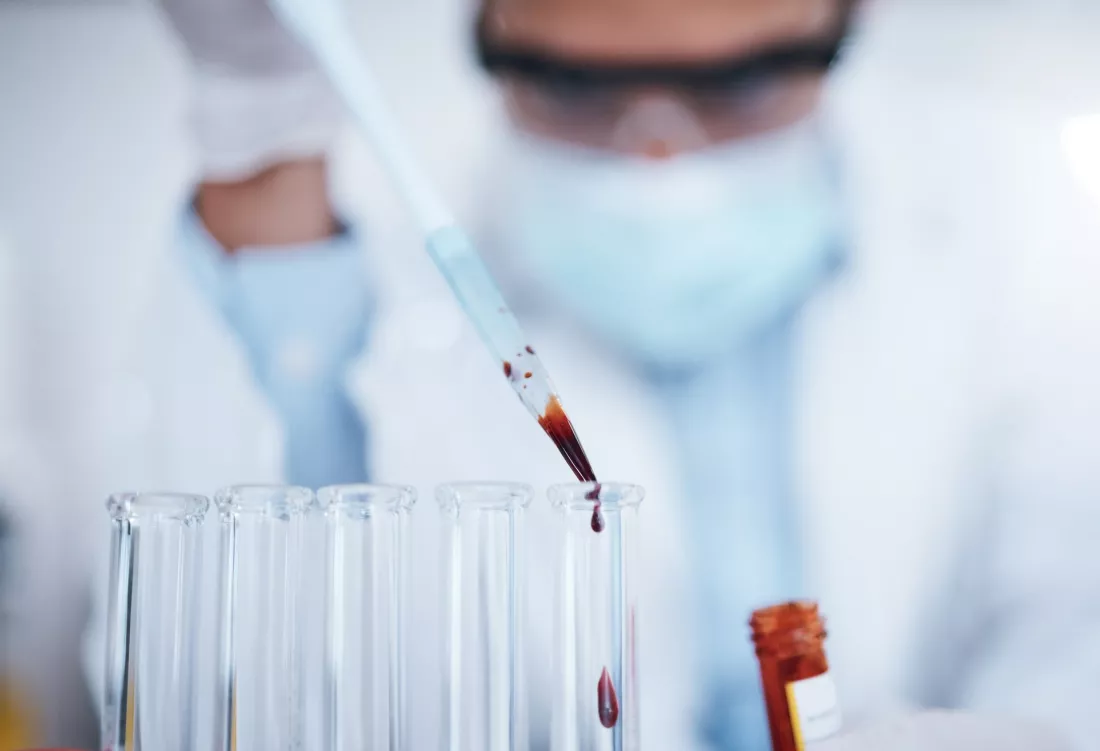
Some cancer treatments already work by teaching a patient’s own immune cells to hunt tumours down — but every single dose has to be built by hand, in a specialised facility, over several weeks, for a sum close to 300 000 euros. A team in Utrecht asked a different question: instead of shipping the cells to the factory, why not send the factory to the cells? Their answer is one injection of a nanoparticle — and the habit of mind behind that kind of reversal is exactly what the test at the end of this article is about.

Biciclette e monopattini elettrici hanno riempito le città più in fretta di quanto regole e infrastrutture riuscissero a seguirli: un’auto ha airbag e sistemi di assistenza, chi pedala o guida un monopattino ha al massimo un casco. Il progetto europeo SOTERIA parte da qui e prova a capire come i dati possano segnalare un pericolo prima che diventi un incidente – e tutto comincia dalle abitudini di chi ogni giorno attraversa la città per arrivare a lezione, le stesse che il test qui sotto mette a fuoco.

Una bicicleta, un patinete eléctrico y un trayecto corto hasta la facultad: para buena parte del alumnado eso es la rutina de cada día. El coche que pasa al lado lleva airbags, ABS y sensores de todo tipo; quien va sobre dos ruedas no lleva casi nada. El proyecto europeo SOTERIA partió de esa asimetría y de una idea incómoda: contar accidentes cuando ya han ocurrido llega tarde. Mejor mirar los sustos que no acaban en parte médico — y, de paso, ver cuánto tiene el lector de futuro analista de movilidad urbana.

Trottinette, vélo en libre-service, quelques minutes de trajet jusqu'au campus : pour beaucoup d'étudiants, c'est la routine. Une voiture, elle, embarque des airbags, l'ABS et des systèmes d'assistance, alors qu'un utilisateur de trottinette n'a qu'un casque, quand il le porte. Le projet européen SOTERIA part de ce déséquilibre et change de méthode : ne plus seulement compter les accidents après coup, mais repérer les situations dangereuses avant la collision — d'où ce test sur votre façon de circuler en ville.

Fahrräder und E-Scooter gehören längst zum Stadtbild, doch wer darauf sitzt, ist deutlich schlechter geschützt als jemand im Auto. Bis 2050 will die EU die Zahl der Verkehrstoten auf null senken – Unfälle nachträglich zu zählen reicht dafür nicht. Das EU-Projekt SOTERIA hat erprobt, wie sich Gefahren erkennen lassen, bevor etwas passiert: aus Beinaheunfällen, Sensordaten und Meldungen der Menschen, die täglich unterwegs sind – womit auch die Frage im Raum steht, wie du selbst dich durch die Stadt bewegst.

Rowery i hulajnogi elektryczne weszły do miast szybciej, niż powstały zasady bezpiecznego jeżdżenia nimi. Samochód ma zaawansowane technologie bezpieczeństwa, osoba na hulajnodze nie ma nic poza kaskiem. Unijna „Wizja Zero” mówi o zbliżeniu się do zerowej liczby ofiar śmiertelnych na drogach do 2050 roku, tylko że liczenie wypadków po fakcie do tego nie wystarcza. Projekt SOTERIA sprawdzał, co trzeba zbierać, żeby rozpoznać zagrożenie wcześniej — a test na końcu dotyczy Twoich własnych nawyków na trasie na zajęcia.

A bike, a shared e-scooter, ten minutes to the lecture hall – for plenty of students that is simply how the morning works. The car beside them has airbags, ABS and assistance systems; the person on the scooter has a helmet, at best. The EU-funded SOTERIA project asked a different question: instead of counting collisions after they happen, what would a city need to collect to see one coming? The answer runs through sensors, artificial intelligence and riders themselves – starting with whether your own near miss ever reaches anyone.


 English
 Čeština
 Deutsch
 Español
 Français
 Magyar
 Italiano
 Polski
 Português
 Русский
 Slovenčina
 Türkçe
 Українська
 العربية
 中文
中文