
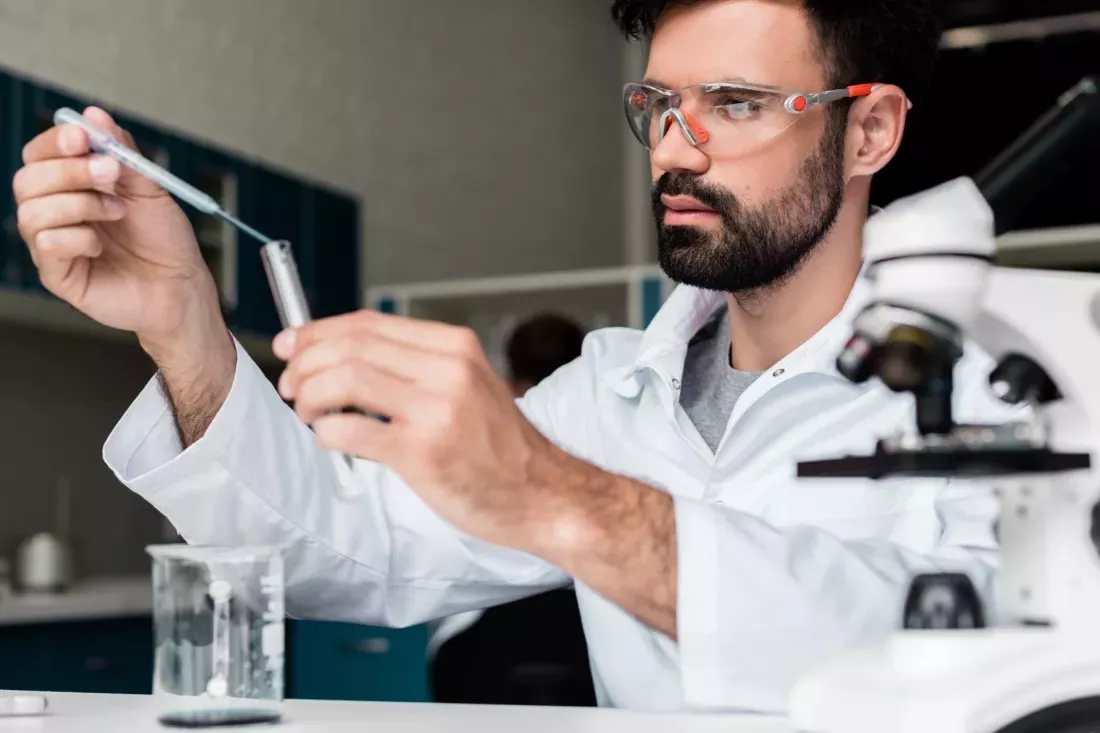
The human brain works entirely through chemical reactions, yet it is often called the most powerful computer in the world. The EU-supported CORENET project tested whether a similar principle can be used in the lab: networks of chemical reactions in microfluidic reactors processed data, and artificial intelligence read the answers from them. It is a field where chemistry, computer science and data analysis meet at one table – and at the end you can check whether this way of working suits you.
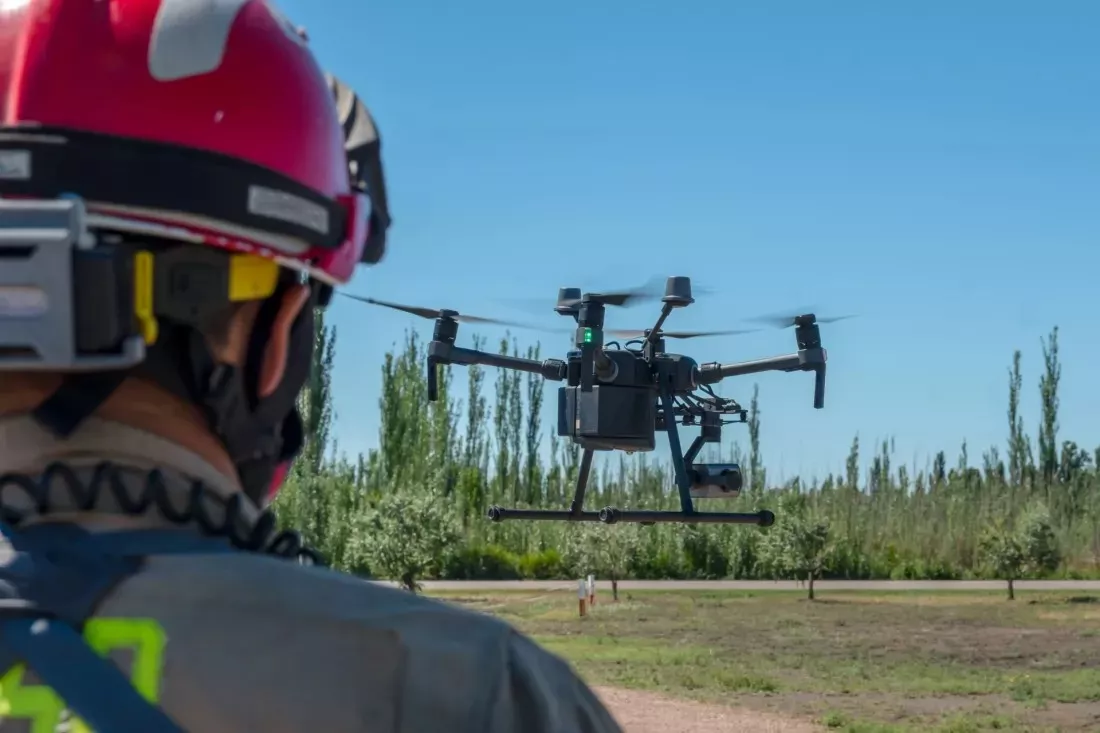
Un incendio o un’alluvione significano caos: fumo, acqua, linee di comunicazione interrotte e decine di squadre che devono agire insieme. Il progetto OVERWATCH, finanziato dall’UE, unisce dati da satelliti e droni, intelligenza artificiale e realtà aumentata per aiutare i soccorritori a capire più in fretta che cosa succede sul campo. Il sistema è stato messo alla prova durante esercitazioni in Portogallo e in Polonia – e alla fine puoi verificare se mantieni il sangue freddo quando conta ogni informazione.
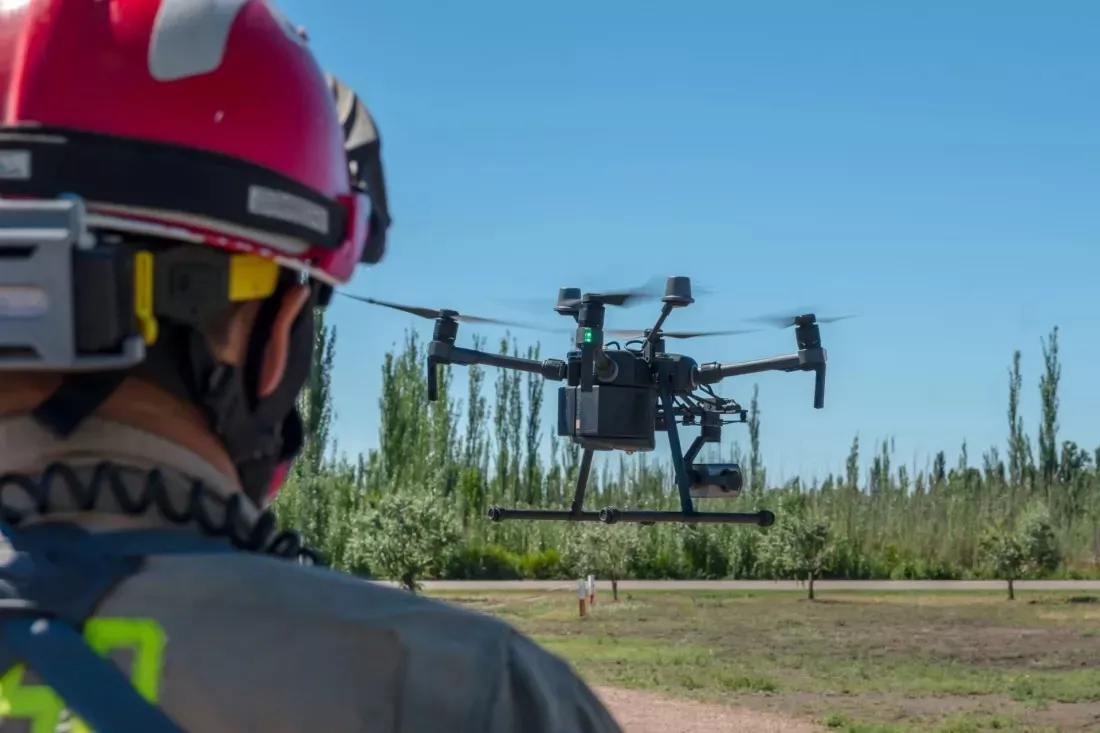
Un incendie ou une inondation, c’est le chaos : fumée, eau, communications coupées et des dizaines d’équipes qui doivent agir ensemble. Financé par l’UE, le projet OVERWATCH associe données de satellites et de drones, intelligence artificielle et réalité augmentée pour que les secouristes comprennent plus vite ce qui se passe sur le terrain. Le système a été testé lors d’exercices au Portugal et en Pologne – et à la fin, vous pouvez vérifier si vous gardez la tête froide quand chaque information compte.
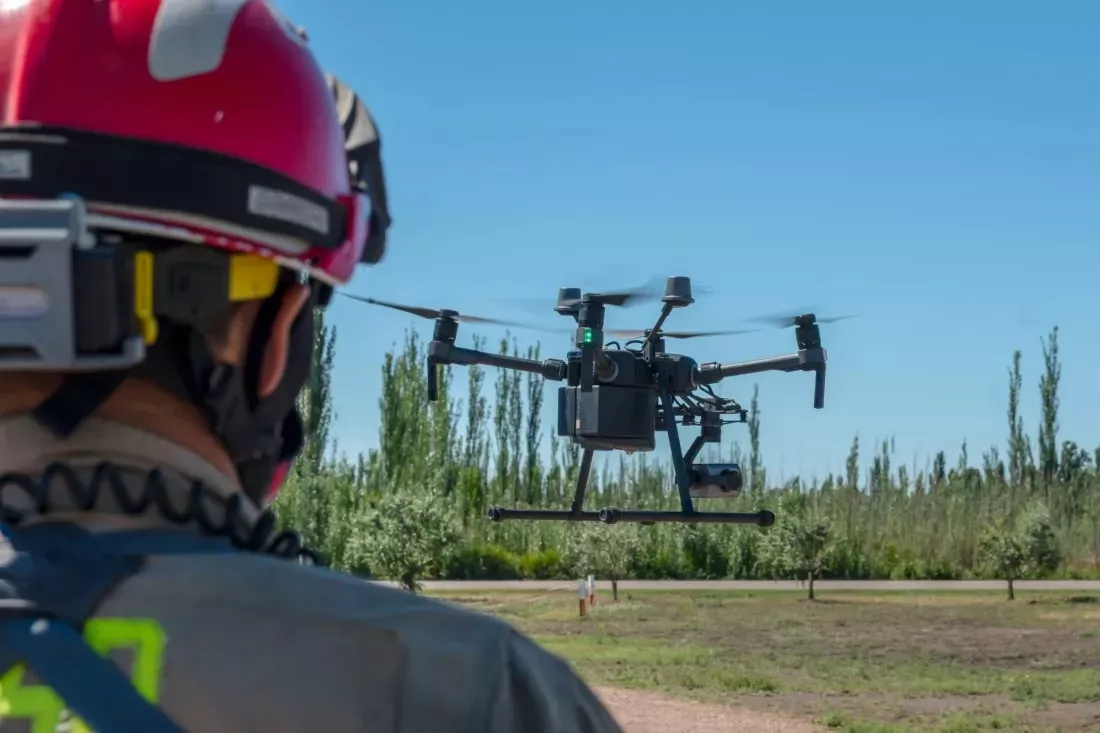
Un incendio forestal o una inundación significan caos: humo, agua, líneas de comunicación caídas y decenas de equipos que tienen que actuar juntos. El proyecto OVERWATCH, financiado con fondos europeos, combina datos de satélites y drones, inteligencia artificial y realidad aumentada para que los equipos de rescate entiendan antes qué ocurre sobre el terreno. El sistema se puso a prueba en ejercicios en Portugal y Polonia – y al final puedes comprobar si mantienes la cabeza fría cuando cuenta cada dato.
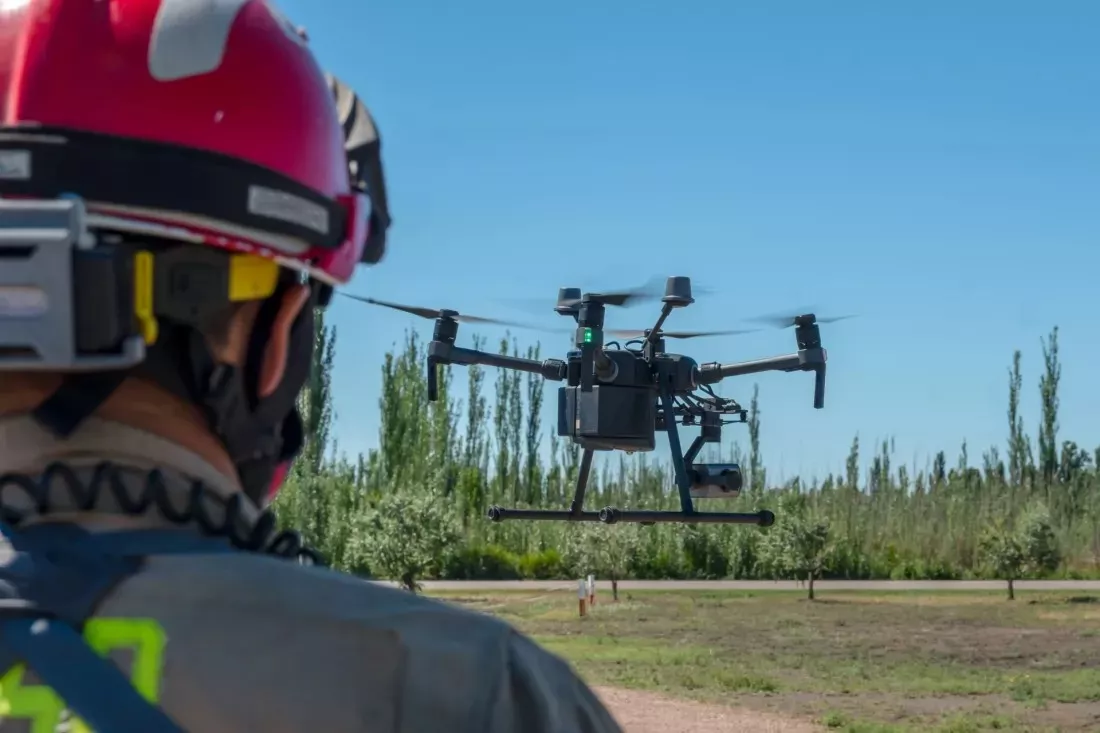
Ein Waldbrand oder ein Hochwasser bedeutet Chaos: Rauch, Wasser, ausgefallene Leitungen und Dutzende Teams, die gemeinsam handeln müssen. Das EU-finanzierte Projekt OVERWATCH verbindet Daten von Satelliten und Drohnen, künstliche Intelligenz und erweiterte Realität, damit Einsatzkräfte schneller verstehen, was vor Ort passiert. Erprobt wurde das System bei Übungen in Portugal und Polen – und am Ende kannst du prüfen, ob du einen kühlen Kopf behältst, wenn jede Information zählt.
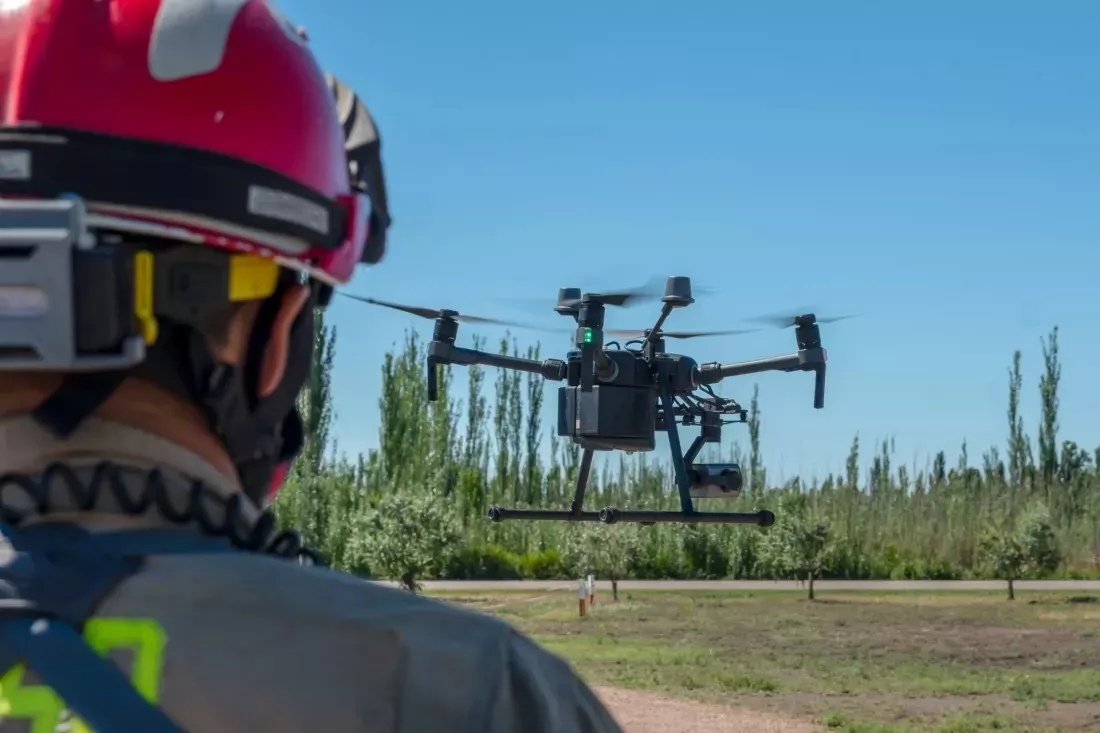
A forest fire or a flood means chaos: smoke, water, broken communication lines and dozens of teams that have to act together. The EU-funded OVERWATCH project combines data from satellites and drones, artificial intelligence and augmented reality so that rescuers can understand faster what is happening on the ground. The system was put to the test during exercises in Portugal and Poland – and at the end you can check how well you keep a cool head when every piece of information counts.
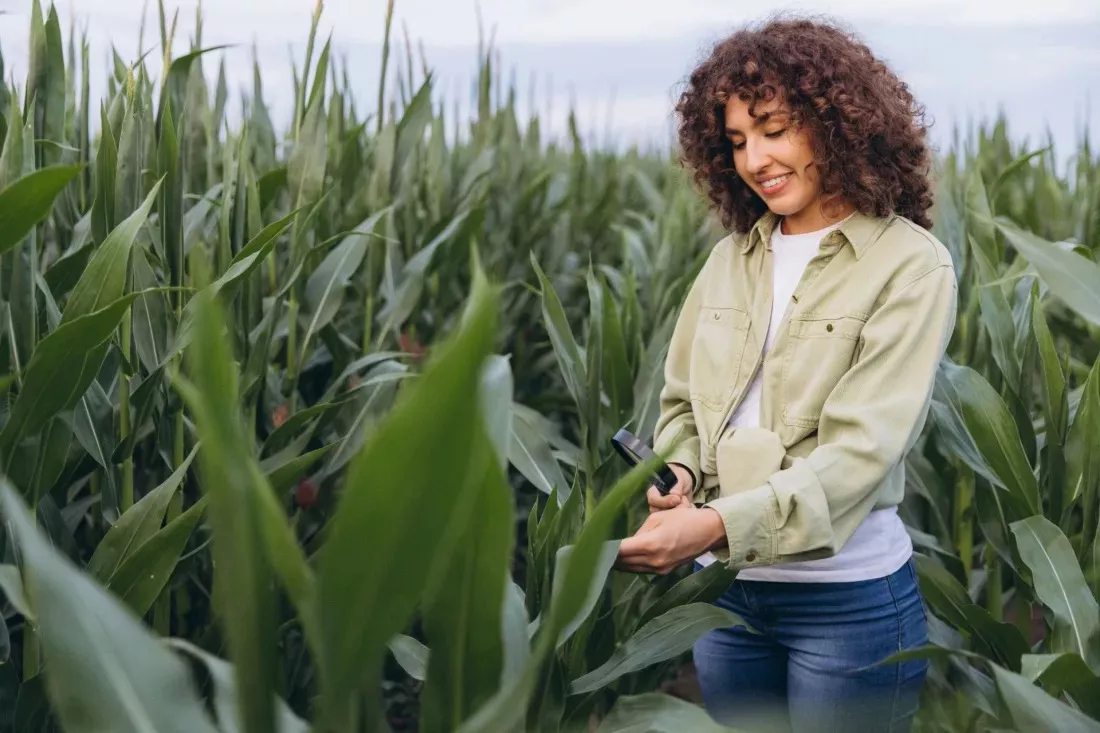
Les petits exploitants doivent produire le plus de nourriture possible sur très peu de terre, alors que le climat devient plus extrême et plus imprévisible. Les pesticides de synthèse aident, mais ils nuisent aux écosystèmes et à la santé humaine. Le projet européen UPSCALE a cherché à savoir si les plantes elles-mêmes peuvent protéger le maïs des ravageurs, en menant plus de 150 entretiens avec des agriculteurs et des experts — et, pour finir, vous pouvez vérifier si la nature a sa place dans vos choix de tous les jours.
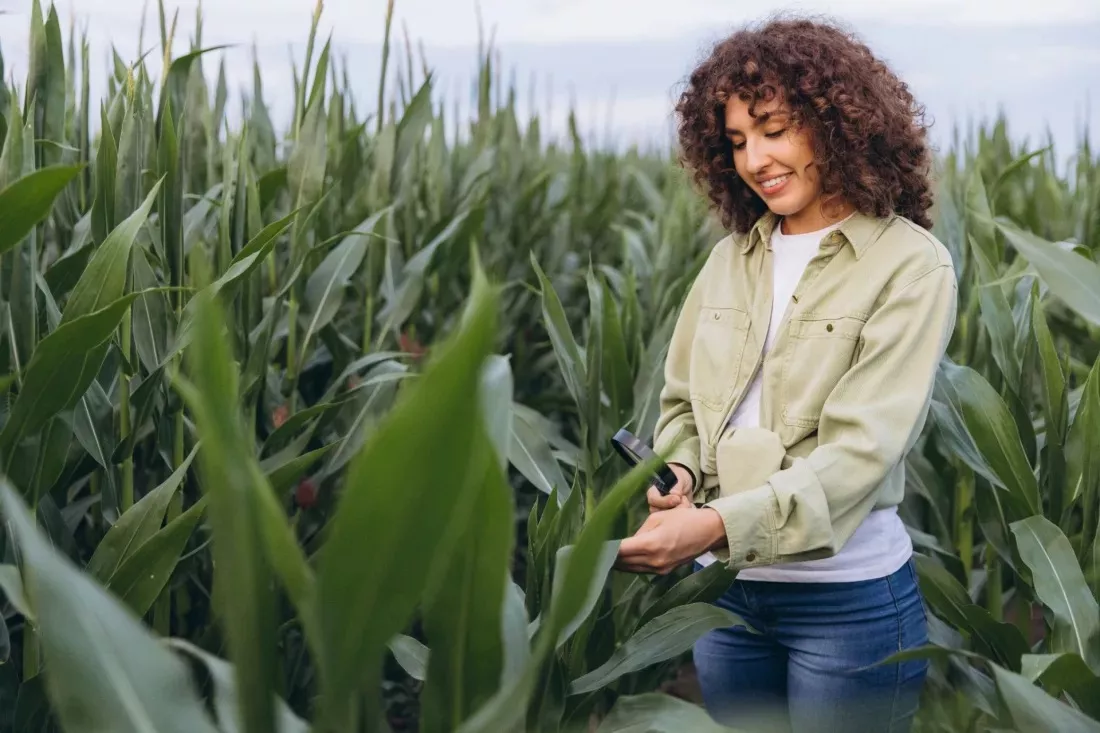
I piccoli agricoltori devono produrre più cibo possibile su pochissima terra, mentre il clima diventa più estremo e imprevedibile. I pesticidi sintetici aiutano, ma danneggiano gli ecosistemi e la salute umana. Il progetto europeo UPSCALE ha verificato se le piante stesse possano proteggere il mais dai parassiti, conducendo oltre 150 interviste con agricoltori ed esperti – e alla fine puoi scoprire se nelle tue scelte quotidiane c’è spazio per la natura.
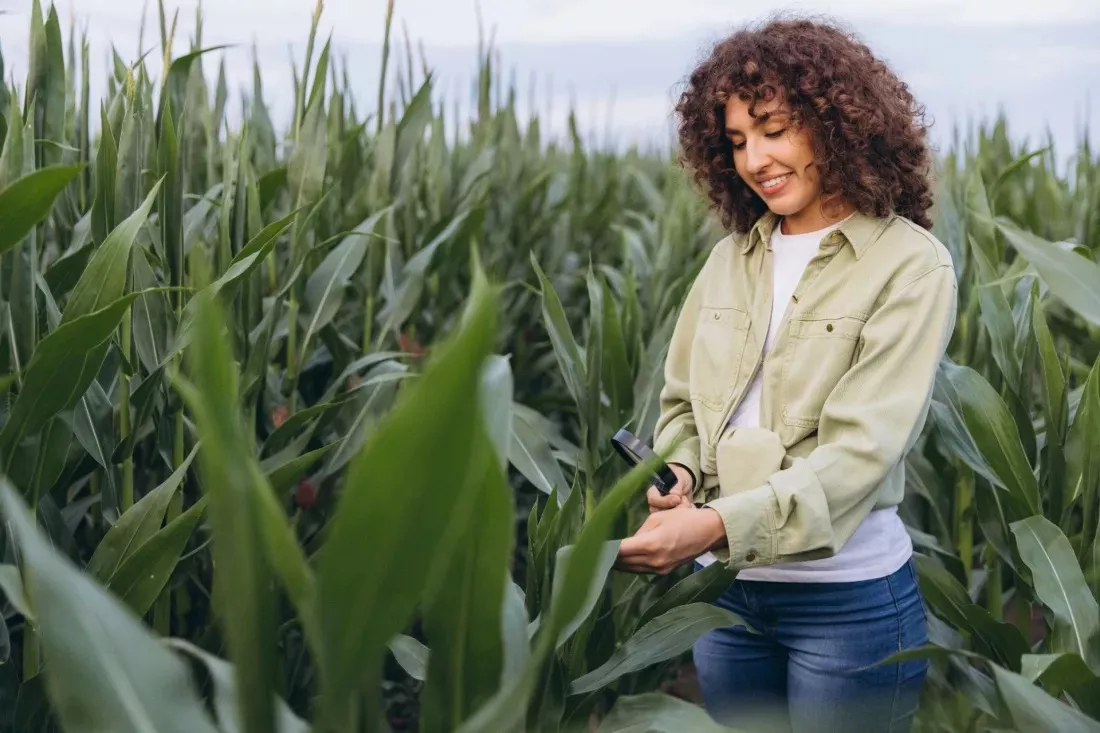
Los pequeños agricultores tienen que producir la mayor cantidad posible de alimentos en muy poca tierra, mientras el clima se vuelve más extremo e impredecible. Los plaguicidas sintéticos ayudan, pero dañan los ecosistemas y la salud humana. El proyecto europeo UPSCALE comprobó si las propias plantas pueden proteger el maíz de las plagas y, por el camino, realizó más de 150 entrevistas con agricultores y expertos – y al final puedes comprobar si en tus decisiones diarias hay sitio para la naturaleza.
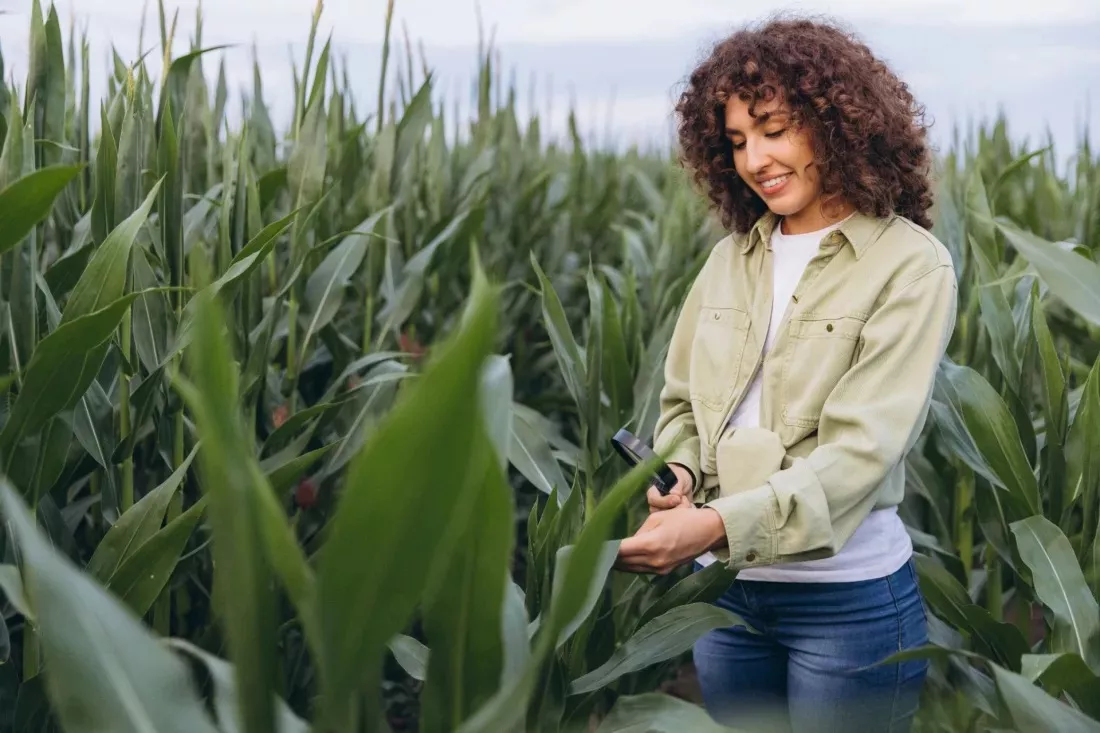
Kleinbäuerliche Betriebe müssen auf wenig Land möglichst viele Lebensmittel erzeugen, während das Wetter extremer und unberechenbarer wird. Synthetische Pestizide helfen zwar, schaden aber Ökosystemen und der Gesundheit. Das EU-Projekt UPSCALE hat untersucht, ob Pflanzen selbst den Mais vor Schädlingen schützen können, und dafür über 150 Interviews mit Landwirten und Fachleuten geführt – und am Ende kannst du prüfen, wie viel Platz die Natur in deinen eigenen Entscheidungen hat.
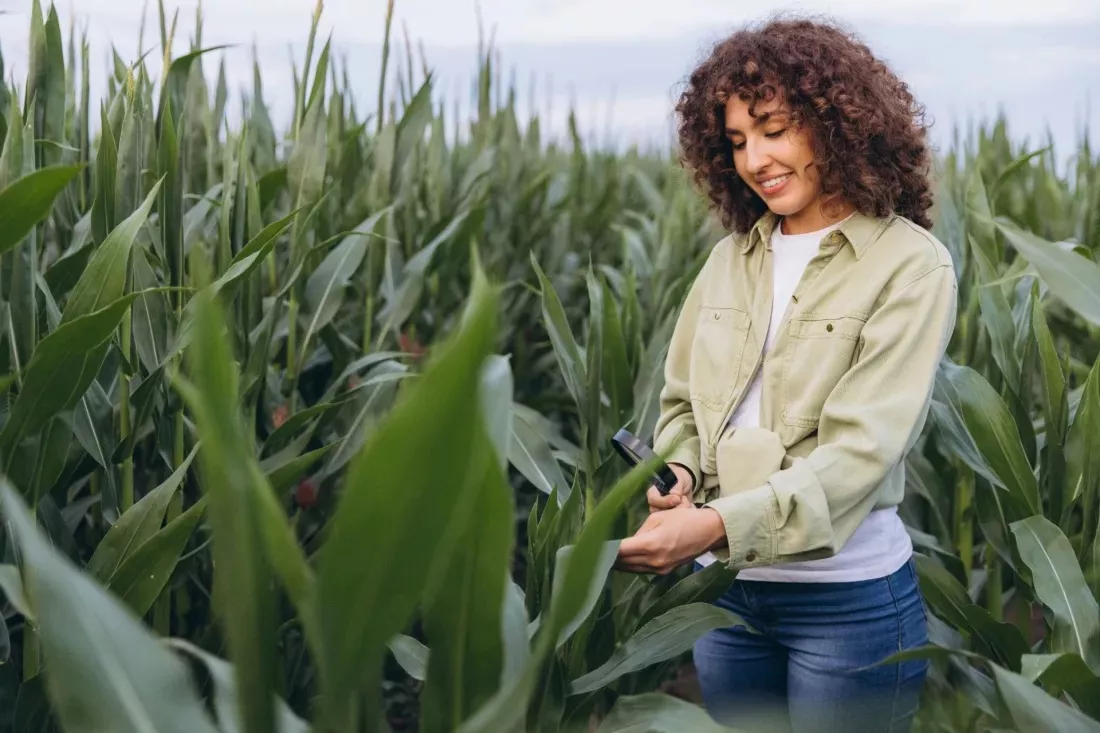
Smallholder farmers have to grow as much food as possible on very little land, while the weather becomes more extreme and harder to predict. Synthetic pesticides help, but they also harm ecosystems and human health. The EU-funded UPSCALE project tested whether plants themselves can protect maize from pests, and its team carried out more than 150 interviews with farmers and experts along the way – and at the end you can check whether there is room for nature in your own everyday choices.
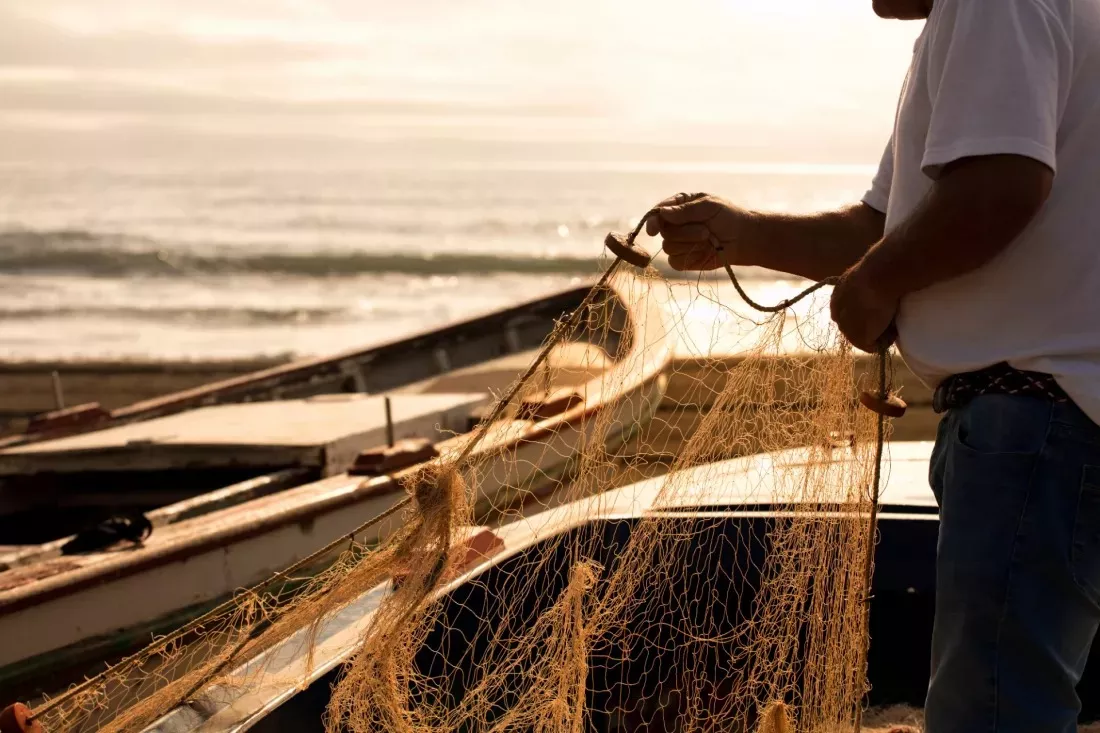
Una rete da pesca smarrita non scompare semplicemente sul fondo del mare. Secondo le stime degli esperti, gli attrezzi da pesca abbandonati, smarriti o scartati costituiscono circa il 10% di tutti i rifiuti marini. Il progetto europeo NETTAG+, coordinato da ricercatori dell’Università di Porto, punta su più soluzioni insieme: workshop per i pescatori, localizzatori acustici per le attrezzature, sonar abbinato all’intelligenza artificiale e robot subacquei — e alla fine puoi verificare quanta responsabilità verso il mare c’è nelle tue abitudini.
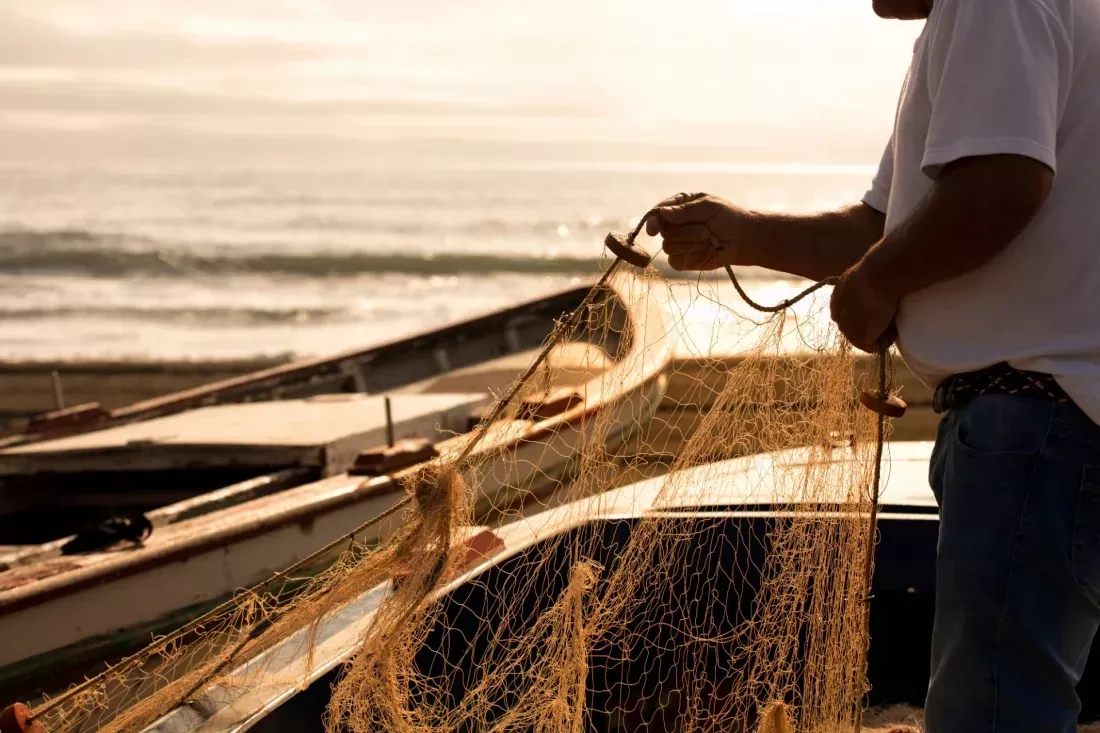
Un filet de pêche perdu ne disparaît pas simplement au fond de la mer. Selon les estimations d’experts, les engins de pêche abandonnés, perdus ou rejetés représentent environ 10 % de l’ensemble des déchets marins. Le projet européen NETTAG+, coordonné par des chercheurs de l’université de Porto, mise sur plusieurs solutions à la fois : des ateliers pour les pêcheurs, des balises acoustiques pour le matériel, un sonar couplé à l’intelligence artificielle et des robots sous-marins — et, pour finir, vous pouvez vérifier quelle part de responsabilité envers la mer se cache dans vos propres habitudes.
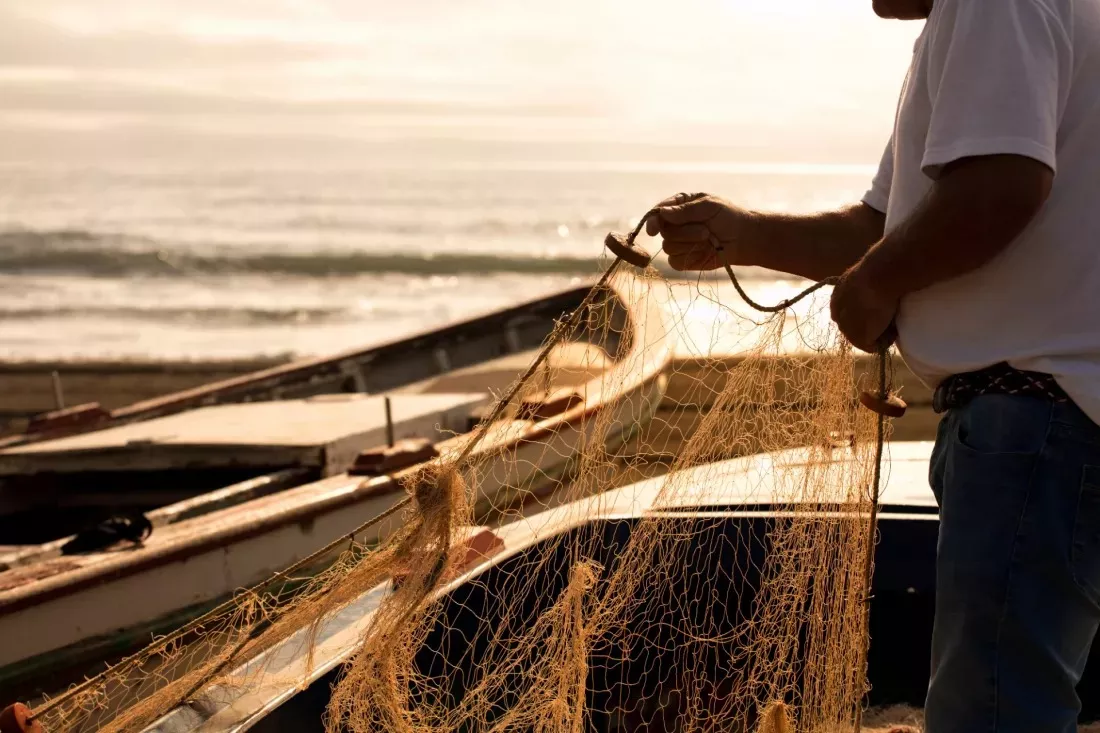
Una red de pesca perdida no desaparece sin más en el fondo del mar. Según estimaciones de expertos, los aparejos de pesca abandonados, perdidos o descartados representan alrededor del 10 % de todos los residuos marinos. El proyecto europeo NETTAG+, coordinado por investigadores de la Universidad de Oporto, recurre a varias soluciones a la vez: talleres para pescadores, marcadores acústicos para los aparejos, sonar combinado con inteligencia artificial y robots submarinos; y al final puedes comprobar cuánta responsabilidad por el mar hay en tus propios hábitos.
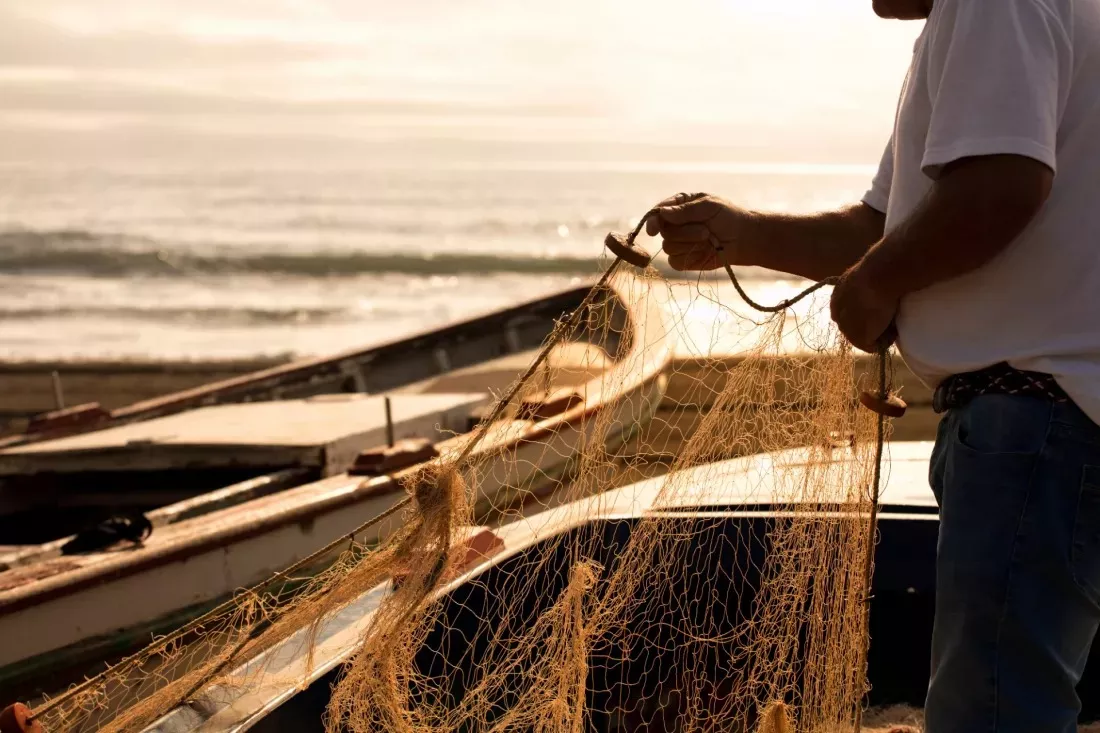
Ein verlorenes Fischernetz verschwindet nicht einfach auf dem Meeresgrund. Nach Schätzungen von Fachleuten macht zurückgelassene, verloren gegangene und entsorgte Fischereiausrüstung rund 10 % des gesamten Meeresmülls aus. Das europäische Projekt NETTAG+, koordiniert von Forschenden der Universität Porto, setzt auf mehrere Lösungen zugleich: Workshops für Fischer, akustische Markierungen für die Ausrüstung, Sonar mit künstlicher Intelligenz und Unterwasserroboter – und am Ende kannst du prüfen, wie viel Verantwortung für das Meer in deinen eigenen Gewohnheiten steckt.
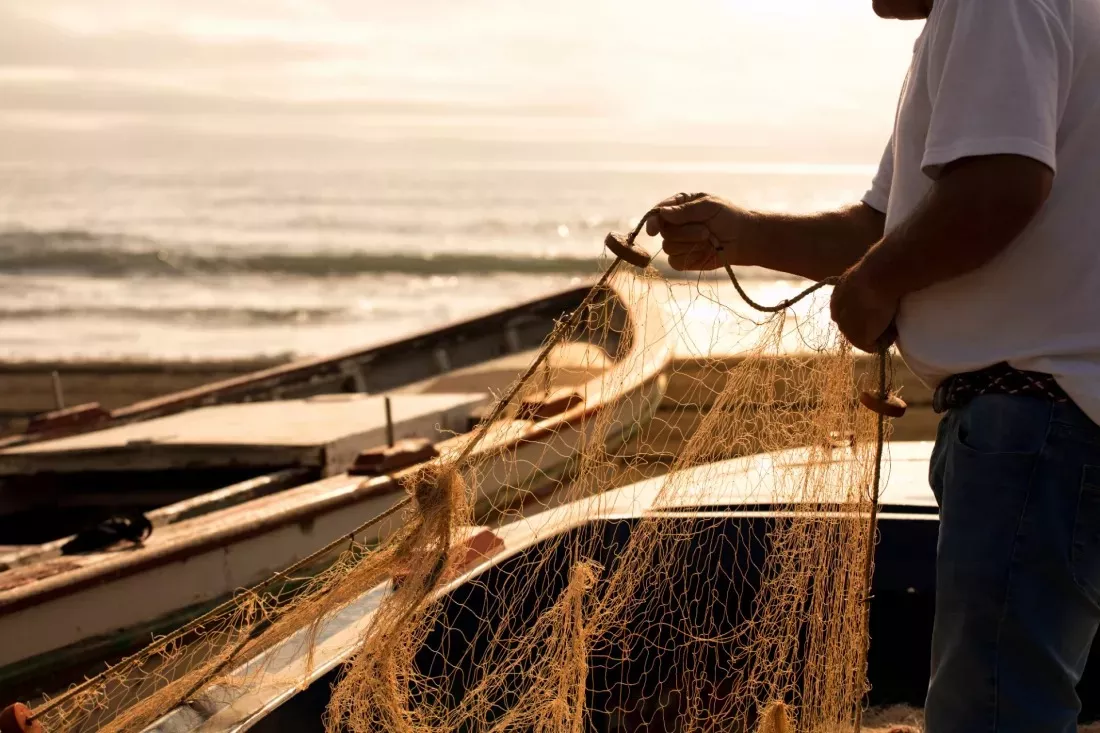
A lost fishing net does not simply disappear on the seabed. According to expert estimates, abandoned, lost or discarded fishing gear makes up around 10% of all marine litter. The European NETTAG+ project, coordinated by researchers at the University of Porto, tackles it from several angles at once: workshops for fishers, acoustic tags for gear, sonar combined with artificial intelligence and underwater robots — and at the end you can check how much responsibility for the sea there is in your own habits.
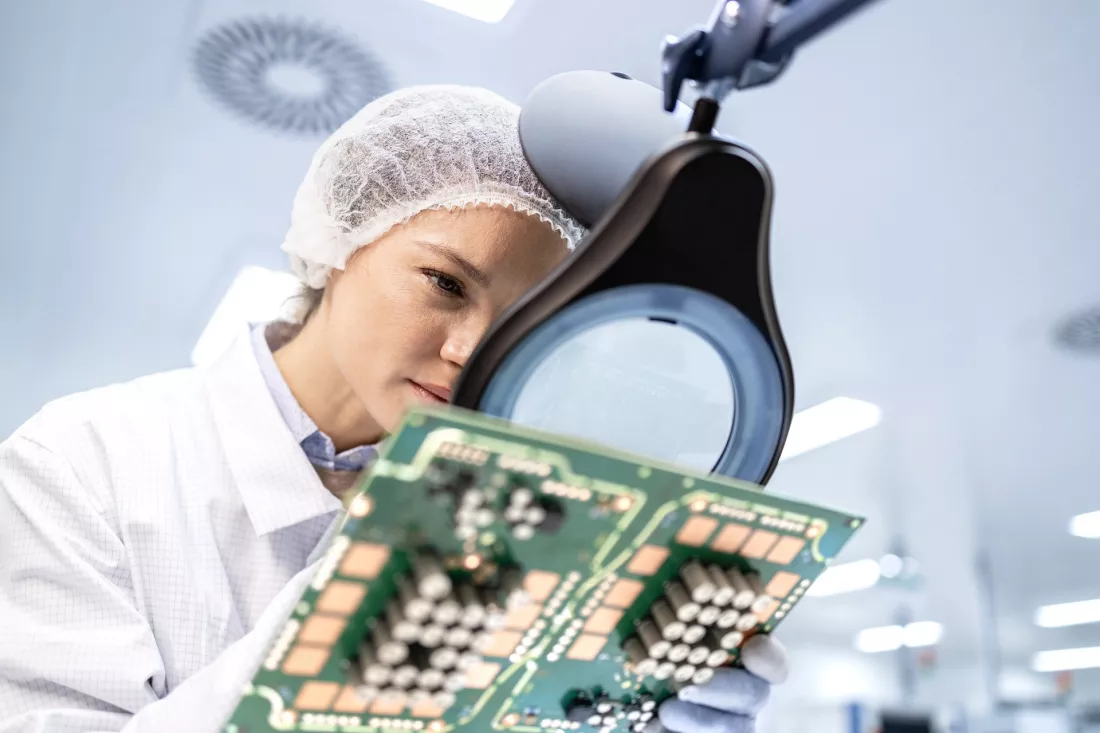
W samochodzie elektrycznym wszyscy patrzą na akumulator i zasięg, a mało kto myśli o skrzynce, która w ogóle pozwala ten akumulator naładować. Tymczasem to właśnie ładowarka pokładowa bywa dziś wąskim gardłem: grzeje się, traci sprawność i zajmuje sporo miejsca. Europejski zespół projektu HiPower 5.0 pokazuje, że da się ją zmieścić w trzy razy mniejszej objętości, sięgając po azotek galu i sprytną integrację elementów — a na końcu możesz sprawdzić, jakim typem ładowacza jesteś na co dzień.
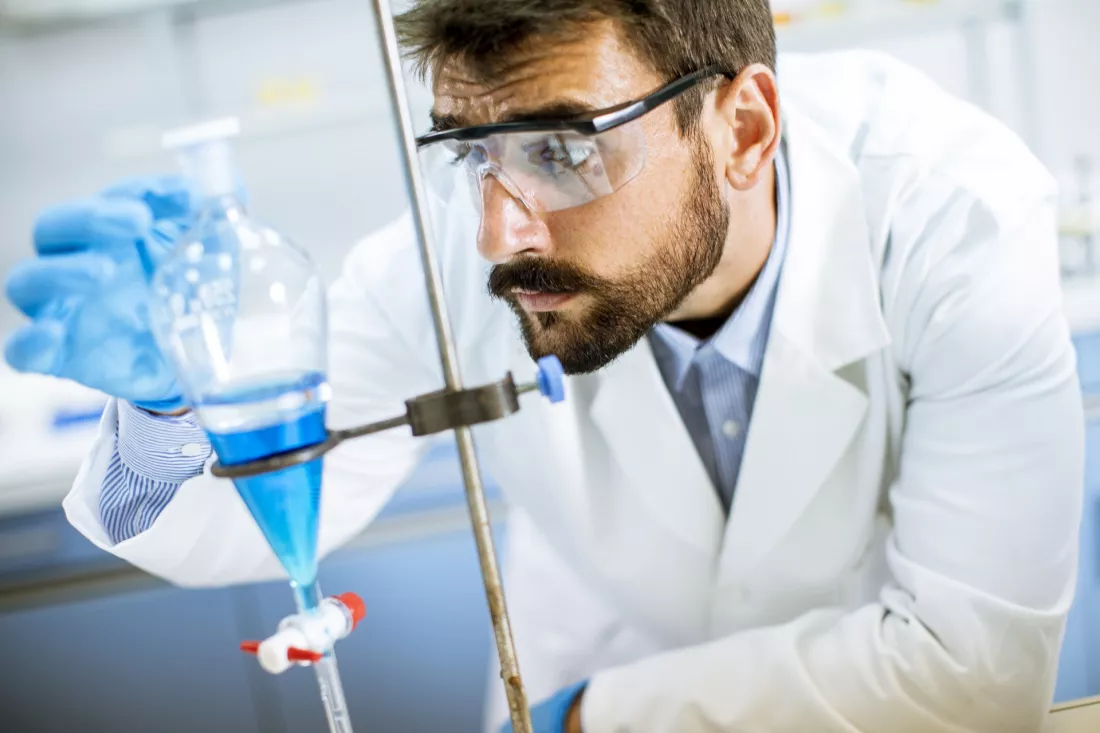
Zamienić dwutlenek węgla i wodę w płynne paliwo, a do tego użyć wyłącznie światła – brzmi jak przepis z powieści science fiction. Europejski zespół z projektu NEFERTITI zbudował układ reaktorów, który robi to w laboratorium, i bez owijania w bawełnę pokazał, gdzie leżą trudności: w wilgotności, w wydajności i w tym, że chemia lubi iść własną drogą. To historia o cierpliwości i drobnych regulacjach – a na końcu możesz sprawdzić, czy masz cierpliwość badacza paliw słonecznych.
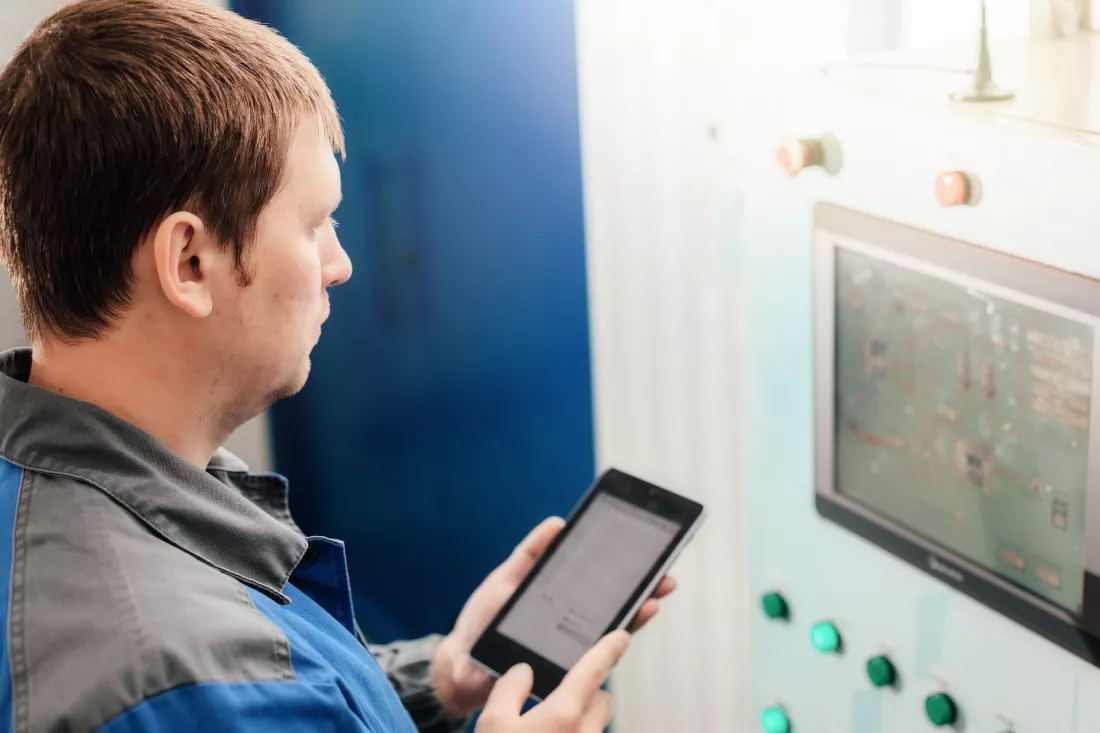
Gdy coś się psuje, najtrudniejsze bywa wytłumaczenie, co właściwie się stało. Niemiecka spółka Blinkin postawiła na prostsze rozwiązanie: zdjęcie urządzenia, wyświetlacza albo tabliczki znamionowej zrobione smartfonem, które sztuczna inteligencja łączy z wiedzą zgromadzoną w całej firmie. System sprawdzano w zakładach przemysłowych, sklepach i sektorze publicznym — a na końcu możesz sprawdzić, czy przy usterkach jesteś typem, który pokazuje, czy raczej długo opisuje.
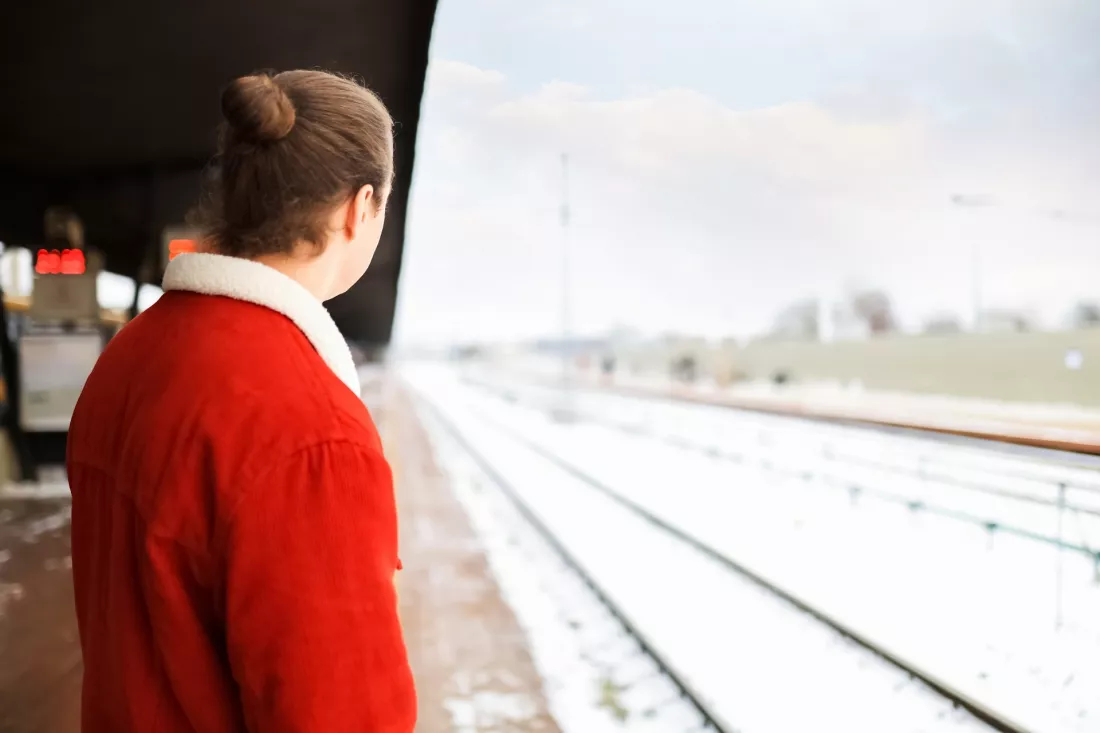
Wojna nie zawsze wygląda tak, jak na filmach. Czasem to atak na kolej, sabotaż torów albo próba przejęcia zapory, a granica między przestępczością a działaniami wojennymi zaczyna się rozmywać. Badacze z europejskiego projektu CYBERCOMM przyjrzeli się takim atakom hybrydowym i doszli do wniosku, że dawny podział ról między wojskiem a policją już nie wystarcza, a cywile coraz częściej sami stają się celem — a na końcu możesz sprawdzić, jak czujny jesteś w cyfrowym świecie.


 English
 Čeština
 Deutsch
 Español
 Français
 Magyar
 Italiano
 Polski
 Português
 Русский
 Slovenčina
 Türkçe
 Українська
 العربية
 中文